Battery Testing
We evaluate battery condition and available starting capacity instead of assuming a dead or weak battery automatically needs replacement.

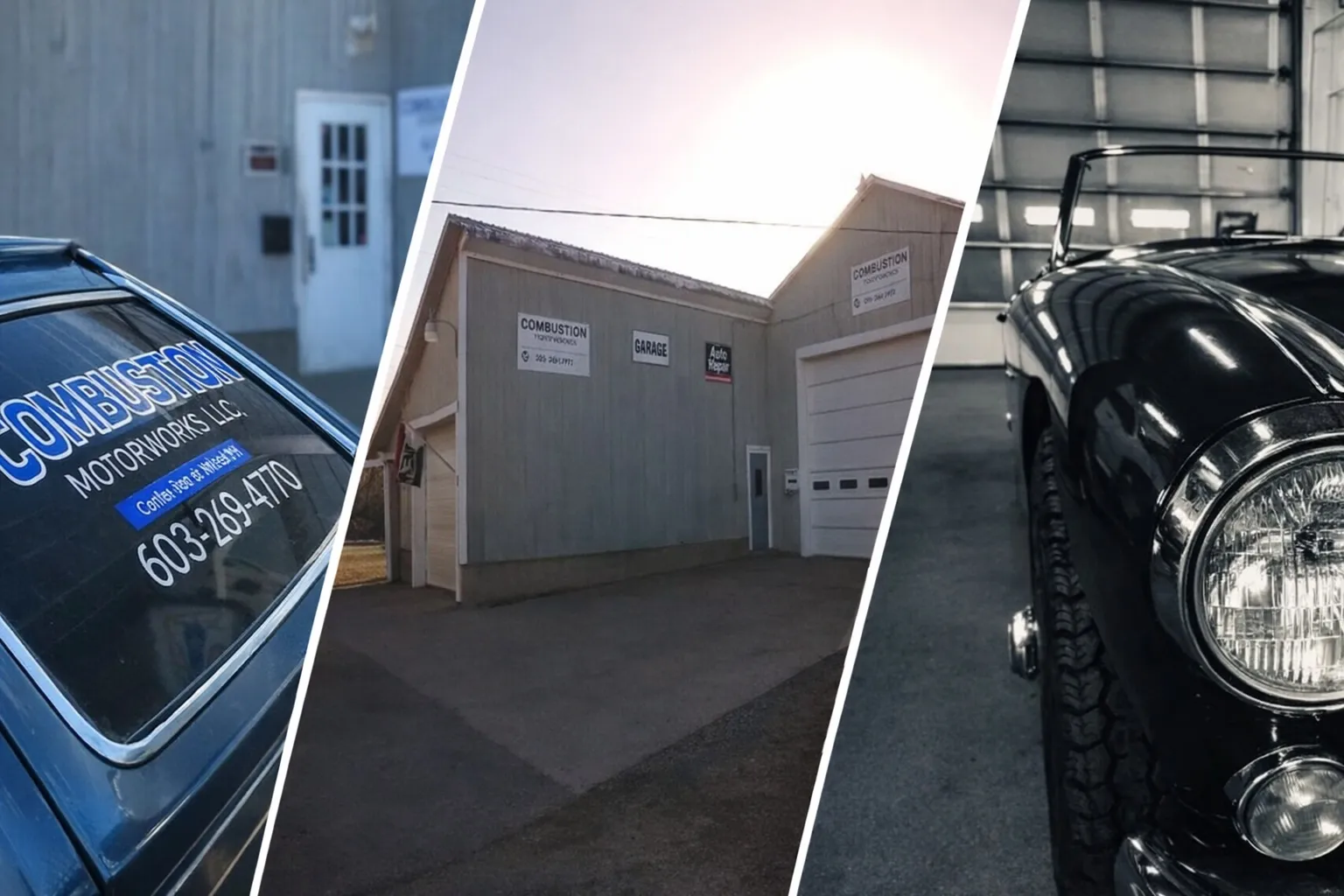
Center Barnstead, New Hampshire
Battery light on? Battery keeps dying? Vehicle cranking slowly or refusing to start? Combustion Motorworks LLC provides alternator repair, charging system diagnostics, starter diagnosis, battery testing, parasitic draw testing, and automotive electrical troubleshooting in Center Barnstead, NH.
Similar symptoms can come from the alternator, battery, starter, wiring, belt drive, grounds, electrical connections, or electronic controls, so we test the system before recommending replacement parts.
Serving Barnstead, Gilmanton, Pittsfield, Alton, Belmont, Laconia, and communities throughout the Lakes Region.
Electrical and charging problems frequently create similar symptoms. A dead battery does not automatically mean the battery is bad, and a battery warning light does not automatically mean the alternator needs replacement.
We test the system to determine what is actually happening.
For broader warning-light, module, electrical, or drivability problems, visit our auto and electrical diagnostics page .
Alternator and charging-system problems can develop gradually or appear suddenly. Some symptoms overlap with battery, starter, and wiring problems, which is why testing matters.
Battery or charging-system warning light — This warning usually indicates that charging-system operation is outside the expected range. The alternator is one possible cause, but wiring, connections, belt drive, battery condition, and electronic charging controls may also be involved.
Repeated dead battery — A battery that repeatedly loses charge may not be receiving adequate charging while the engine runs, but it can also be aging, damaged, poorly connected, or discharged by a parasitic electrical load while parked.
Slow or weak cranking — Slow cranking can be caused by a weak battery, poor connections, high resistance in the starting circuit, a failing starter, or another electrical problem.
Lights changing brightness — Headlights, interior lights, or other electrical loads behaving unusually may indicate voltage instability, but circuit and connection issues can produce similar symptoms.
Electrical accessories malfunctioning — Modern vehicles depend on stable system voltage. Low or unstable voltage can create seemingly unrelated electronic problems or multiple warning messages.
Unusual noise near the alternator or belt drive — Bearings, pulleys, belt tensioners, or the alternator itself may create noise. The belt-drive system should be evaluated along with the charging system.
A charging problem is a system problem until testing identifies the failure.
Depending on the symptoms and vehicle, diagnosis can involve:
We evaluate battery condition and available starting capacity instead of assuming a dead or weak battery automatically needs replacement.
Alternator operation and system voltage are evaluated under the conditions needed to determine whether the charging system is operating correctly.
Poor grounds, corroded terminals, damaged wiring, excessive circuit resistance, and connection problems can mimic alternator or battery failure.
If the vehicle cranks slowly, clicks, or intermittently refuses to crank, we evaluate the starting circuit rather than guessing between the battery and starter.
If the battery dies while the vehicle sits, we can diagnose excessive electrical draw and identify which circuit or component is remaining active.
Modern charging systems may interact with vehicle modules, sensors, battery-management systems, and manufacturer-specific charging controls that require scan-tool data as part of diagnosis.
A battery provides the energy needed to start the vehicle and supports electrical loads when required. Once the engine is running, the charging system replenishes the battery and supplies electrical power.
When either side of that system fails, the symptoms can overlap.
A weak battery may crank slowly even when the alternator is operating correctly. A good battery can repeatedly go dead if the vehicle is not charging properly. Poor cable connections or excessive resistance can create problems that resemble both.
That's why testing the battery and charging system together is usually more useful than replacing one part based only on symptoms.
If testing shows the battery itself needs replacement, see our battery testing and replacement page .
Despite its name, the battery-shaped warning light often indicates a charging-system problem rather than simply a bad battery.
The warning may appear when the vehicle detects that system voltage or charging operation is outside the expected range.
Possible causes include:
If the charging system stops supplying power while you're driving, the vehicle may continue operating from battery reserve for a period of time, but eventually system voltage can fall low enough for the vehicle to stop running.
A charging-system warning should be diagnosed promptly rather than assuming the vehicle simply needs a new battery.
A vehicle that starts normally after a jump but has another dead battery a day or several days later can have several possible problems.
The battery may be weak or internally damaged. The charging system may not be restoring the energy used during starting. A cable or ground may have excessive resistance. Or an electrical circuit may remain active after the vehicle is shut off and slowly discharge the battery.
That last condition is known as a parasitic draw.
Modern vehicles normally use a small amount of electrical power while parked to maintain memory, security, and electronic functions. The problem occurs when current draw remains higher than expected after the vehicle's systems should have gone to sleep.
Parasitic-draw diagnosis involves measuring current and isolating the circuit responsible rather than repeatedly installing batteries.
Not every vehicle that will not start has an alternator problem.
A no-start condition can involve:
The first step is identifying whether the engine fails to crank at all, cranks too slowly, or cranks normally but does not start. Those are different conditions that require different diagnostic approaches.
Learn more about our full no-start and electrical diagnostic services .
On many newer vehicles, alternator output is influenced by electronic controls rather than operating at one fixed charging voltage all the time.
Battery condition, electrical load, engine operating conditions, vehicle modules, current sensors, battery monitoring systems, and manufacturer control strategies can all affect charging behavior.
That means a single voltage reading does not always tell the whole story. Proper diagnosis may require both electrical measurements and scan-tool data to understand whether the charging system is operating as designed.
This is one reason Combustion Motorworks' broader diagnostic capability matters when troubleshooting modern electrical and charging concerns.
Cold weather can expose weaknesses in batteries, connections, starters, and electrical systems that may be less noticeable during warmer weather.
A battery that starts the vehicle reliably during summer may struggle when temperatures drop and starting demand increases.
Road salt and moisture can also contribute to corrosion of electrical terminals, grounds, connectors, and exposed wiring over time.
If a vehicle begins cranking slowly, develops intermittent starting problems, or repeatedly needs a jump during cold weather, testing the battery, starting circuit, and charging system together can identify the cause before the vehicle leaves you stranded.
Combustion Motorworks LLC is a locally owned, full-service auto repair shop at 27 Depot St Building G in Center Barnstead, NH.
Our ASE Certified Master Technician provides alternator and charging system repair along with professional electrical diagnostics, engine diagnostics, brakes, suspension, cooling systems, tires, batteries, maintenance, and general automotive repair.
Having diagnostic and repair capability in the same shop means we can identify whether a symptom is actually caused by the alternator, battery, starter, wiring, electronic controls, or another vehicle system before recommending repair.
For general automotive service, visit our mechanic in Barnstead, NH page or return to Combustion Motorworks auto repair .
Possible signs include a charging-system warning light, repeated dead batteries, unusual electrical behavior, changing light output, charging faults, or a vehicle that eventually loses electrical power while running. Because battery and wiring problems can create similar symptoms, the charging system should be tested before replacing the alternator.
Yes. We test battery condition, charging-system operation, starter circuits, electrical connections, wiring, grounds, and related components as needed.
Yes. If the charging system is not replenishing the battery while the engine operates, the battery can eventually discharge. A dead battery can also have several other causes, so testing is important.
Not necessarily. The battery-shaped warning often indicates a charging system problem. The alternator, battery, belt drive, wiring, grounds, connections, or electronic charging controls may need testing.
Possible causes include a weak battery, charging problem, poor cable connection, wiring fault, or excessive parasitic electrical draw while the vehicle is parked.
Yes. We can test for excessive current draw while the vehicle is parked and isolate the circuit or component responsible.
A no-start condition can involve the battery, starter, alternator, wiring, fuel system, ignition system, security system, sensors, electronic controls, or engine mechanical condition. Diagnosis determines which system is responsible.
Yes. We diagnose wiring faults, grounds, intermittent electrical problems, parasitic battery drains, charging and starting systems, sensors, relays, module faults, warning lights, and related concerns.
Charging and starting problems often overlap with other automotive systems. Combustion Motorworks also provides:
Combustion Motorworks provides alternator repair, charging-system diagnostics, battery testing, starting-system diagnosis, and electrical repair for customers throughout central New Hampshire.
We regularly serve drivers from Barnstead, Center Barnstead, Gilmanton, Pittsfield, Alton, Belmont, Laconia, Gilford, Northwood, Strafford, and surrounding Lakes Region communities.
You can also visit our pages for auto repair near Pittsfield, auto repair near Alton, auto repair near Gilmanton, and Lakes Region auto repair.
Sharing your experience on Google helps other local drivers find Combustion Motorworks.
Battery light on, battery keeps dying, or vehicle won't start? Let us diagnose the system.
Call (603) 269-4770Located at 27 Depot St Building G in Center Barnstead, NH. Serving Barnstead, Gilmanton, Pittsfield, Alton, Belmont, Laconia, and the greater Lakes Region.