1. Inspect
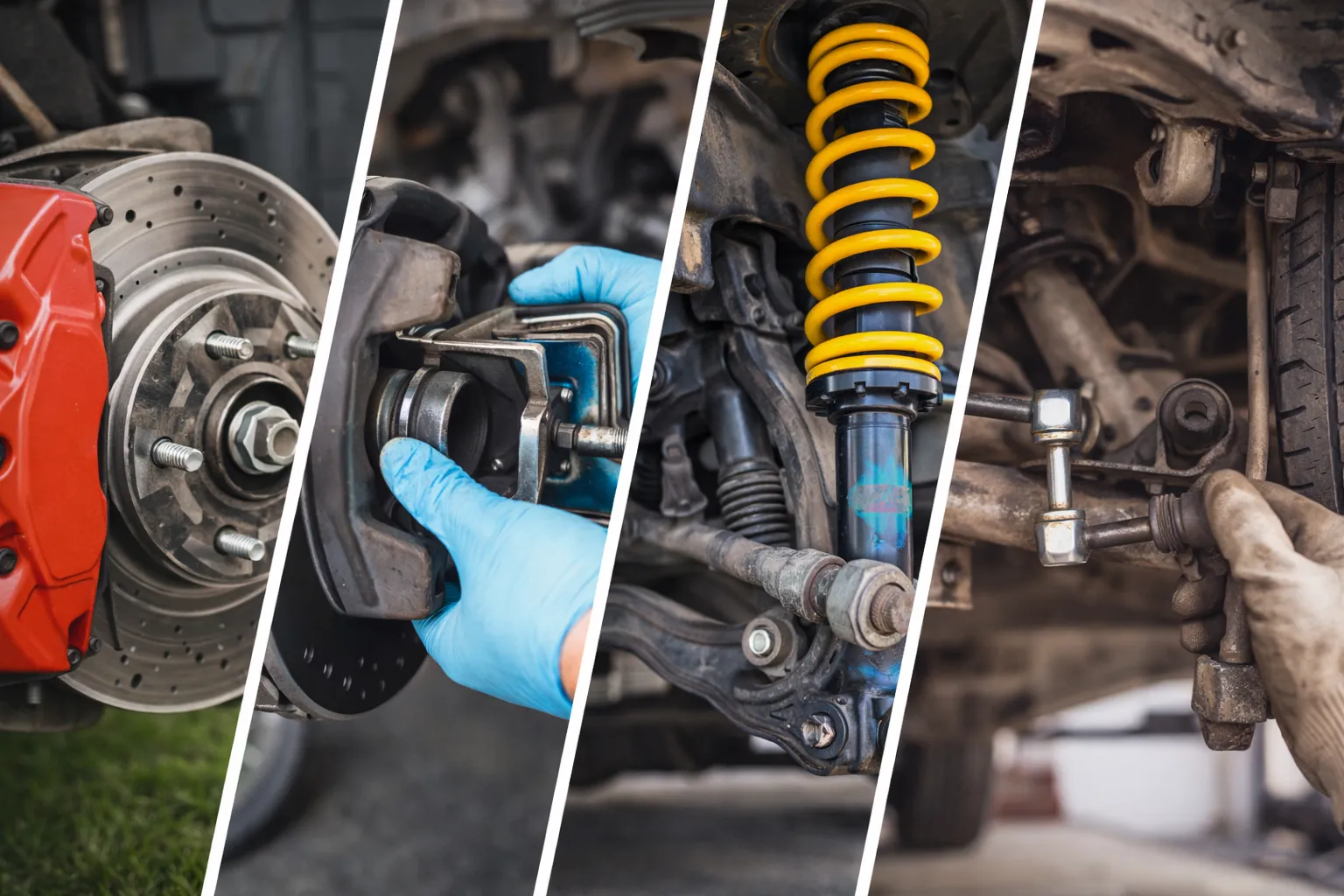
We evaluate brake friction material, rotors, hardware, calipers, hoses, visible hydraulic components, and related components based on the symptoms you're experiencing.
Center Barnstead, New Hampshire
Combustion Motorworks LLC provides professional brake inspection, brake repair, and ABS diagnostics for cars, trucks, and SUVs in Center Barnstead, NH. Whether you're hearing brake noise, feeling vibration, seeing a warning light, or simply want your brakes checked, we'll diagnose the problem and explain what the vehicle needs before repair work begins.
Our ASE Certified Master Technician serves drivers from Barnstead, Gilmanton, Pittsfield, Alton, Belmont, Laconia, and communities throughout the Lakes Region.
A brake problem does not always mean the vehicle simply needs new pads. Noise, vibration, pulling, warning lights, and changes in pedal feel can have several different causes. We inspect the system first, identify what needs attention, and recommend repairs based on the condition of the vehicle.
If you're not sure whether a problem is related to the brakes, suspension, wheel bearing, or another system, we can diagnose that too. Visit our automotive diagnostics page for more information.
Brake problems often provide warning signs before braking performance becomes seriously compromised. Changes in sound, pedal feel, vehicle behavior, or dashboard warnings deserve attention.
Squealing or squeaking can occur for several reasons. Some brake pads use wear indicators that produce noise as the friction material wears down, while moisture, surface corrosion, brake-dust buildup, friction material, and component condition can also affect brake noise.
Grinding during braking can indicate severe brake-pad wear or another mechanical problem. Continuing to drive can damage rotors and other components and may reduce braking performance.
Vibration or pulsation through the brake pedal or steering wheel can result from rotor thickness variation, uneven friction deposits, worn brake or suspension components, wheel issues, or other conditions. Inspection is the best way to identify the actual source.
Pulling to one side while braking can be caused by uneven braking force, caliper problems, hydraulic issues, tire conditions, or steering and suspension problems.
A soft, unusually low, or changing brake pedal deserves prompt attention. Hydraulic-system problems, fluid condition, leaks, component wear, or other issues can affect pedal feel.
Brake or ABS warning lights indicate that the vehicle has detected a problem or that another brake-system condition requires attention. We can retrieve diagnostic information and test the system to determine what caused the warning.
For more information about friction-material wear, see signs your brake pads may be worn .
Brake symptoms can overlap. A vibration does not automatically mean that rotors need replacement, and a pull while braking does not always mean a caliper has failed.
Our approach is to inspect the brake system and related components, evaluate pad and rotor condition, check caliper operation, examine hydraulic components, and use diagnostic equipment when an ABS or electronic brake-system concern is present.
We evaluate brake friction material, rotors, hardware, calipers, hoses, visible hydraulic components, and related components based on the symptoms you're experiencing.
We determine whether the concern is actually coming from the brake system or whether tires, wheel bearings, steering, suspension, or another system may be contributing to the symptom.
We explain what we found and what repair is recommended before performing additional work.
After the approved repair is complete, we verify brake operation and make sure the original concern has been addressed.
New Hampshire vehicles operate in conditions that can be particularly hard on brake systems. Winter road treatment, moisture, repeated freeze-thaw cycles, and long periods of wet driving can accelerate corrosion on exposed brake components.
Brake rotors can develop surface corrosion when a vehicle sits after exposure to moisture and road salt. Light surface rust may clear during normal braking, while heavier corrosion, pitting, or uneven surfaces can affect noise and braking quality.
Calipers, slide pins, and brake hardware can also be affected by corrosion. When brake components stop moving freely, uneven pad wear, brake drag, excess heat, and reduced component life can result.
Brake lines and hoses should be inspected as vehicles age, particularly in a road-salt environment. Corrosion, deterioration, or damage to hydraulic components can become a serious safety issue.
Spring is a good time to look over brakes after a winter of road salt, especially if you notice noise, vibration, uneven braking, or other changes.
For more information, read our guide to winter brake damage in Barnstead, NH .
The brake pads, rotors, and calipers work together to create the friction needed to slow the vehicle. Their condition should be evaluated as a system rather than assuming every brake job requires exactly the same parts.
Brake pads contain the friction material that is pressed against the brake rotor. Wear rate varies substantially based on vehicle weight, driving style, road conditions, towing, component design, friction material, and how the vehicle is used.
Brake rotors provide the surface against which the pads operate. Rotor thickness, surface condition, corrosion, runout, heat history, and manufacturer specifications all help determine whether a rotor remains serviceable.
Brake calipers apply the pads to the rotors. Caliper pistons, slide mechanisms, mounting components, brake hoses, and related hardware all need to operate correctly for braking force and pad wear to remain consistent.
We inspect these components before recommending repairs rather than assuming every vehicle needs the same brake package.
Modern vehicles use wheel-speed sensors, electronic control modules, hydraulic components, wiring, and other electronics to support anti-lock braking and related stability systems.
If an ABS warning light is on, diagnostic trouble codes provide useful information about the affected system, but the code itself does not always prove which component has failed.
We use diagnostic information along with physical and electrical testing to determine the cause before recommending replacement whenever practical.
For broader check-engine, electrical, or warning-light concerns, see our diagnostic services in Barnstead .
Not every shake, pull, vibration, or noise noticed during braking comes from the brake system itself.
Worn suspension components, wheel bearings, tires, alignment-related problems, and other mechanical conditions can sometimes create symptoms that are most noticeable when braking.
Because Combustion Motorworks provides more than brake service, we can evaluate related systems instead of replacing brake parts simply because the symptom occurs when the brake pedal is applied.
Related services include suspension and steering repair , wheel bearing diagnosis and repair , and tire and wheel service .
Combustion Motorworks LLC is a locally owned, full-service auto repair shop located at 27 Depot St, Building G in Center Barnstead.
Our ASE Certified Master Technician provides brake repair along with engine diagnostics, suspension and steering repair, electrical diagnosis, cooling-system service, tires, oil changes, and general automotive maintenance.
Being a full-service repair shop matters when diagnosing brake symptoms. If the actual problem is a wheel bearing, suspension component, tire, electrical fault, or another system, we can identify it rather than limiting diagnosis to the brakes.
For general automotive repair and maintenance, visit our mechanic in Barnstead, NH page or return to Combustion Motorworks auto repair .
Combustion Motorworks provides brake inspection and repair at 27 Depot St Building G in Center Barnstead. Call (603) 269-4770 to discuss your brake concern or schedule service.
Persistent brake noise, grinding, pulsation, pulling, changes in brake pedal feel, increased stopping distance, uneven braking, or a brake or ABS warning light are all good reasons to have the vehicle inspected.
Yes. We replace pads, rotors, calipers, hardware, and related brake components when inspection indicates service is needed. We evaluate the condition of the system before recommending parts.
Brake vibration can result from rotor condition, uneven friction surfaces, worn brake components, tires, wheel bearings, or suspension concerns. We inspect the vehicle to determine the cause rather than assuming rotors are responsible.
Uneven braking force, caliper or hydraulic problems, tire conditions, steering issues, and suspension problems can all contribute to pulling during braking.
Yes. We retrieve ABS diagnostic information and test the affected system to determine the cause of the warning before recommending repair whenever possible.
Brake fluid transfers hydraulic pressure throughout the braking system. Fluid condition and replacement interval depend on the vehicle and manufacturer requirements. We can inspect the system and advise whether service is appropriate.
Yes. Road salt and moisture can contribute to corrosion of rotors, calipers, brake hardware, parking-brake components, brake lines, and related parts. Winter conditions make periodic inspection particularly valuable on older vehicles.
Grinding can indicate severe friction-material wear or another mechanical problem. The vehicle should be inspected promptly because continued use can reduce braking performance and damage additional components.
Combustion Motorworks is located in Center Barnstead and serves drivers throughout central New Hampshire.
Customers visit us from Barnstead, Gilmanton, Pittsfield, Alton, Belmont, Laconia, Gilford, Northwood, Strafford, and surrounding Lakes Region communities.
Looking for general repair closer to your community? Visit our pages for auto repair near Pittsfield, auto repair near Alton, auto repair near Gilmanton, or our Lakes Region auto repair page.
Brake repair is only one part of the automotive work available at Combustion Motorworks. We also provide:
Learn more about common brake symptoms and how New Hampshire driving conditions can affect your vehicle's braking system.
Squealing, grinding, vibration, pulling, and changes in stopping performance can all be signs that your brakes need attention. Learn what these symptoms may mean and when an inspection makes sense.
Road salt, moisture, corrosion, potholes, and frost heaves can affect brakes, suspension, steering, wheel bearings, and other components throughout a New Hampshire winter.
Brake noise, vibration, warning light, or questionable pedal feel? Let us diagnose it.
Call (603) 269-4770Located at 27 Depot St Building G in Center Barnstead, NH. Serving Barnstead, Gilmanton, Pittsfield, Alton, Belmont, Laconia, and the greater Lakes Region.