Center Barnstead, New Hampshire
Tire & Wheel Service in Barnstead, NH
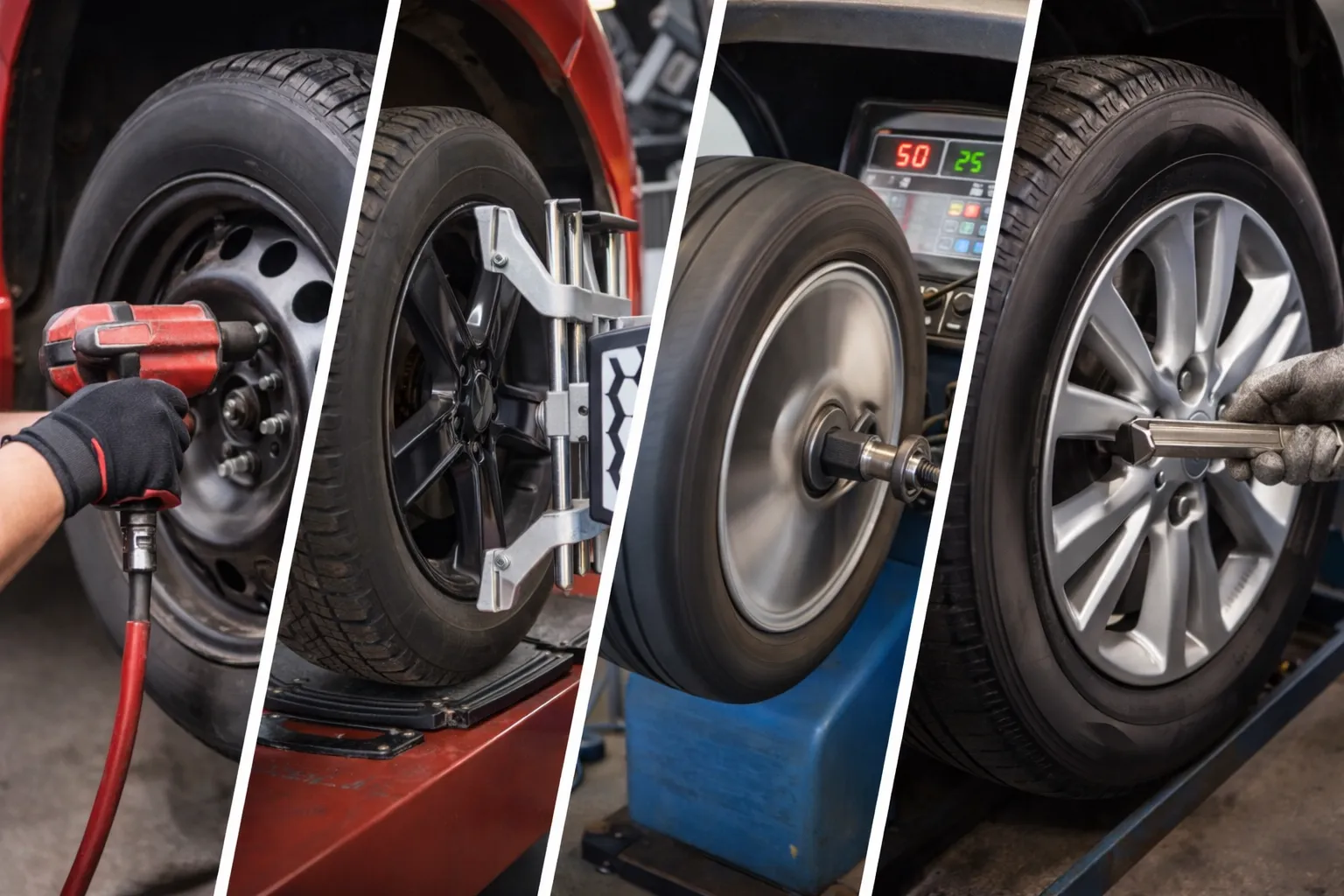
Need new tires, a flat repaired, seasonal tire changeover, balancing, TPMS service, or help tracking down a vibration? Combustion Motorworks LLC provides tire and wheel service for cars, trucks, and SUVs in Center Barnstead, NH.
We can also help determine whether a vibration, humming noise, uneven wear, or pulling concern is actually coming from the tire or wheel — or from a wheel bearing, steering, suspension, brake, or other front-end component.
Serving Barnstead, Gilmanton, Pittsfield, Alton, Belmont, Laconia, Strafford, and communities throughout the Lakes Region.
Tire and Wheel Services
Tire service is more than installing rubber on a wheel. Tire condition, pressure, balance, wheel condition, steering, suspension, wheel bearings, and alignment all affect how a vehicle rides and how its tires wear.
- Tire sales and installation
- Flat tire inspection and repair
- Tire mounting and balancing
- Seasonal tire changeovers
- Winter tire service
- Dedicated winter tire and wheel packages
- Tire and wheel packages
- Tire pressure inspection
- TPMS diagnosis and service
- Tire wear inspection
- Highway-speed vibration diagnosis
- Wheel condition inspection
- Noise and road-speed symptom diagnosis
Flat Tire Repair
A nail or screw in a tire does not automatically mean the tire has to be replaced, but not every puncture can be safely repaired.
A repair decision depends on the location and size of the injury, the condition of the tire, whether the tire has been driven while severely underinflated, and whether there is other damage.
Industry repair procedures generally limit puncture repairs to the repairable tread area and require the tire to be removed from the wheel so the interior can be inspected.
Sidewall and shoulder damage, larger injuries, internal damage from running flat, structural damage, bulges, exposed cords, or other serious conditions may require replacement instead.
We inspect the tire first and recommend repair only when the tire can appropriately remain in service.
Tire Sales and Installation
Combustion Motorworks can source and install tires for many cars, trucks, and SUVs.
Tire selection should be based on more than price alone. Important factors include:
- Correct vehicle size and fitment
- Load capacity
- Speed rating where applicable
- Driving conditions
- Winter use
- Highway versus local driving
- Towing or heavier vehicle use
- Ride and noise preferences
- Budget
We can help select an appropriate tire for how the vehicle is actually used rather than simply recommending the most expensive option.
Tire Balancing and Highway-Speed Vibration
An out-of-balance tire or wheel is a common cause of vibration that becomes noticeable as vehicle speed increases.
But balancing is not the answer to every vibration.
Other possible causes include:
- Bent or damaged wheel
- Tire damage or internal irregularity
- Uneven or cupped tire wear
- Wheel bearing or hub problems
- Steering or suspension wear
- Brake-related vibration
- Other rotating or mechanical components
If a vibration persists after balancing or has characteristics that do not fit a simple balance problem, we can inspect the related systems rather than repeatedly balancing the same tire.
Tire Noise or Wheel Bearing Noise?
Humming, roaring, and growling noises are frequently blamed on wheel bearings, but tires can produce remarkably similar sounds.
Uneven tread wear, cupping, aggressive tread designs, tire damage, and other tire conditions can create road-speed noise that may sound like a worn bearing.
Bearing noise may change with cornering load or vehicle speed, while tire noise may change more noticeably with road surface. Those clues are useful, but they are not definitive by themselves.
We evaluate the tires, wheels, hubs, bearings, suspension, and other front-end components before recommending a bearing or tire replacement.
Learn more about wheel bearing and hub diagnosis .
What Uneven Tire Wear Can Tell You
Abnormal tire wear can provide clues about vehicle condition, but wear patterns should not be used as a substitute for inspection.
Possible contributors include:
- Incorrect tire pressure
- Wheel alignment
- Worn steering components
- Suspension wear
- Wheel or hub problems
- Vehicle loading
- Tire balance or tire condition
- Driving patterns
For example, cupped or scalloped wear may be associated with damping, balance, alignment, suspension, or other mechanical conditions. One-sided wear can involve alignment or worn components.
Instead of assuming a particular wear pattern has only one cause, we look at the tire and the related steering and suspension systems together.
If suspension or steering wear is involved, see our suspension and steering repair page .
Winter Tires for New Hampshire Driving
Dedicated winter tires are designed for cold-weather driving and use tread designs and rubber compounds intended to maintain traction in winter conditions.
They can provide an advantage over many all-season tires when roads are covered with snow, packed snow, slush, or ice.
Whether dedicated winter tires make sense depends on how and where you drive.
They can be particularly useful for drivers who:
- Commute regularly during winter weather
- Drive rural or secondary roads
- Travel before roads are fully cleared
- Live on hills or less frequently treated roads
- Need predictable winter traction for daily use
We can help you choose a winter tire appropriate for your vehicle and normal driving conditions.
Dedicated Winter Tire and Wheel Packages
Some drivers prefer keeping winter tires mounted on a separate set of wheels.
A dedicated winter setup allows seasonal changeovers without removing and reinstalling the tire from the same wheel twice each year.
Depending on the vehicle, a winter package may include:
- Winter tires
- Compatible wheels
- TPMS sensors where required or desired
- Mounting and balancing
We can help put together a setup that fits the vehicle, intended use, and budget.
TPMS and Tire Pressure Problems
Proper tire pressure matters for tire wear, handling, and vehicle performance.
If the Tire Pressure Monitoring System warning light appears, one or more tires may be underinflated, or the vehicle may have a sensor or TPMS system issue.
Pressure can also change with seasonal temperature swings, which makes fall and winter a good time to pay closer attention to tire pressure.
We can inspect tire pressures and evaluate TPMS-related concerns as part of tire and wheel service.
When Should Tires Be Replaced?
Tread depth is one factor in deciding when a tire should be replaced, but it is not the only one. Tire condition, damage, age, wear pattern, vehicle use, and the conditions in which you drive all matter.
Tires may need replacement because of:
- Low remaining tread depth
- Damage, cuts, or exposed structural material
- Bulges or other structural concerns
- Cracking or deterioration
- Irregular or severe uneven wear
- Repeated pressure loss
- Age and manufacturer recommendations
- Reduced suitability for winter, wet, or other driving conditions
New Hampshire no longer requires the former annual passenger-vehicle safety inspection, so drivers are responsible for monitoring tire condition rather than relying on an annual inspection sticker process to identify worn or damaged tires.
We can inspect tread depth, wear patterns, tire condition, and related wheel or suspension concerns and explain whether the tires remain appropriate for continued service.
Potholes, Frost Heaves and New Hampshire Roads
A hard pothole or frost-heave impact can affect more than the tire.
Possible damage can involve:
- Tires
- Wheels
- Wheel alignment
- Wheel bearings and hubs
- Steering components
- Suspension components
If you notice a new vibration, pull, noise, tire-pressure loss, steering change, or visible tire or wheel damage after an impact, the vehicle should be inspected.
Related services include wheel bearing and hub repair and suspension and steering repair .
Tires, Wheels and Brake Symptoms Can Overlap
A vibration, pulling condition, or unusual wheel-area noise may involve the tires or wheels, but it can also involve brakes, suspension, steering, or wheel bearings.
If the symptom changes primarily when the brake pedal is applied, brake condition should be part of the diagnosis.
Visit our brake repair and brake diagnostics page for more information.
Tire Service in Center Barnstead
Combustion Motorworks LLC is a locally owned, full-service auto repair shop located at 27 Depot St Building G in Center Barnstead, NH.
Our ASE Certified Master Technician provides tire and wheel service along with suspension, steering, wheel bearings, brakes, diagnostics, engine repair, electrical repair, batteries, and general automotive maintenance.
Having the related mechanical systems handled in the same shop is useful when tire wear, vibration, pulling, or noise turns out to involve something beyond the tire itself.
For general automotive repair and maintenance, visit our mechanic in Barnstead, NH page or return to Combustion Motorworks auto repair .
Frequently Asked Questions About Tires & Wheels
Do you repair flat tires?
Yes, when the puncture is within the repairable tread area and the tire passes inspection. Sidewall or shoulder damage, larger injuries, internal damage, or other unsafe conditions may require replacement.
Do you sell and install tires?
Yes. We can source, mount, balance, and install tires for many cars, trucks, and SUVs based on vehicle requirements and how the vehicle is used.
What causes vibration at highway speeds?
Possible causes include tire imbalance, tire damage, a bent wheel, irregular tire wear, wheel bearing problems, suspension wear, or other mechanical conditions.
Can tire noise sound like a bad wheel bearing?
Yes. Uneven or cupped tire wear can produce humming or roaring noise that closely resembles a worn wheel bearing.
Do you perform seasonal tire changeovers?
Yes. We perform seasonal tire changeovers and can help with dedicated winter tire and wheel setups.
Are winter tires useful in New Hampshire?
Dedicated winter tires are designed for cold temperatures, snow, ice, and winter road conditions and can provide better winter traction than many all-season tires.
What causes uneven tire wear?
Inflation, alignment, suspension, steering wear, tire condition, wheels, loading, and driving patterns can all contribute to abnormal tire wear.
When should tires be replaced?
Replacement may be needed because of insufficient tread depth, physical damage, structural concerns, irregular wear, age, or manufacturer recommendations. Tire condition should be evaluated as a whole.
Do you service TPMS warning lights?
Yes. We can evaluate tire-pressure and TPMS concerns associated with the tires, wheels, and sensors.
Related Automotive Services
Tire and wheel symptoms often overlap with other front-end systems. Combustion Motorworks also provides:
Tire & Wheel Service for Barnstead and the Lakes Region
Combustion Motorworks provides tire sales, flat repair, mounting, balancing, winter tire service, TPMS service, and tire and wheel diagnostics throughout central New Hampshire.
We regularly serve drivers from Barnstead, Center Barnstead, Gilmanton, Pittsfield, Alton, Belmont, Laconia, Gilford, Meredith, Tilton, Northwood, Epsom, Strafford, and surrounding Lakes Region communities.
You can also visit our pages for auto repair near Pittsfield , auto repair near Alton , auto repair near Gilmanton , auto repair near Strafford , and Lakes Region auto repair .
Need tires, a flat repaired, seasonal changeover, or help with a vibration? Let us take a look.
Call (603) 269-4770Visit Combustion Motorworks in Center Barnstead, NH
Located at 27 Depot St Building G in Center Barnstead, NH. Serving Barnstead, Gilmanton, Pittsfield, Alton, Belmont, Laconia, and the greater Lakes Region.